

The Future of Soil Stabilization

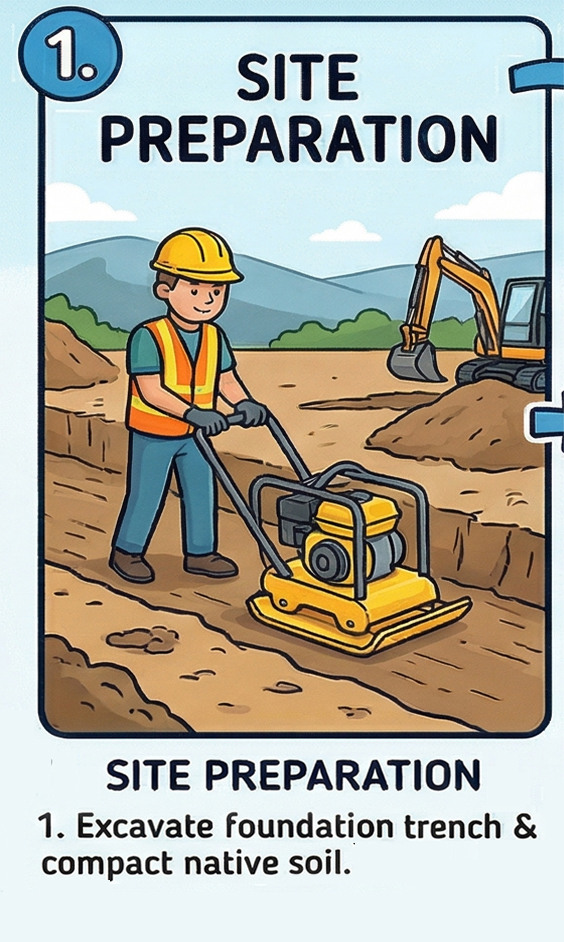
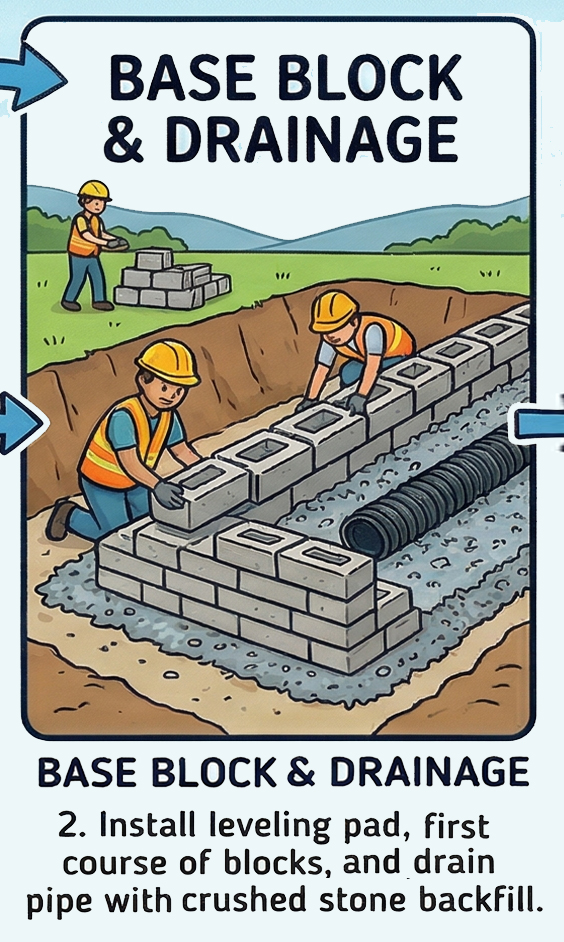
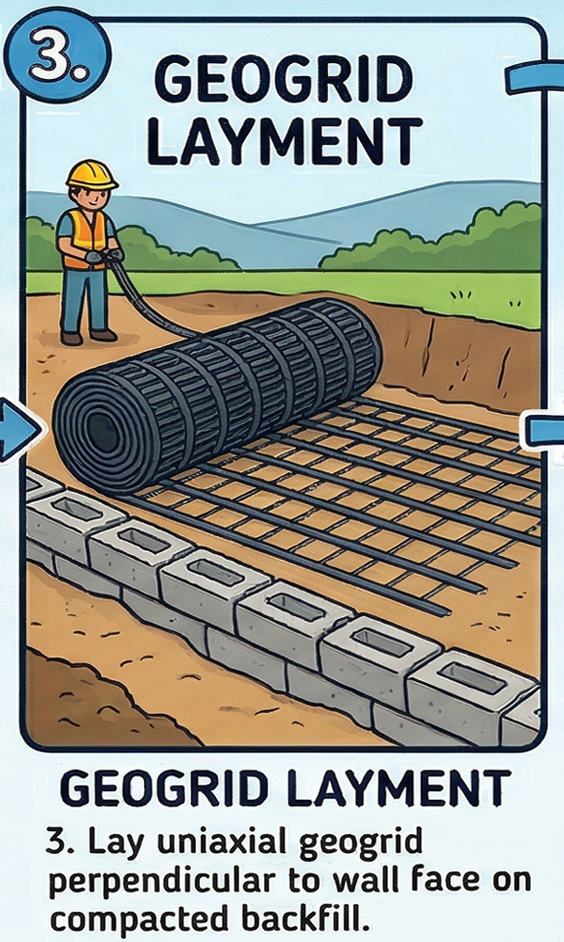
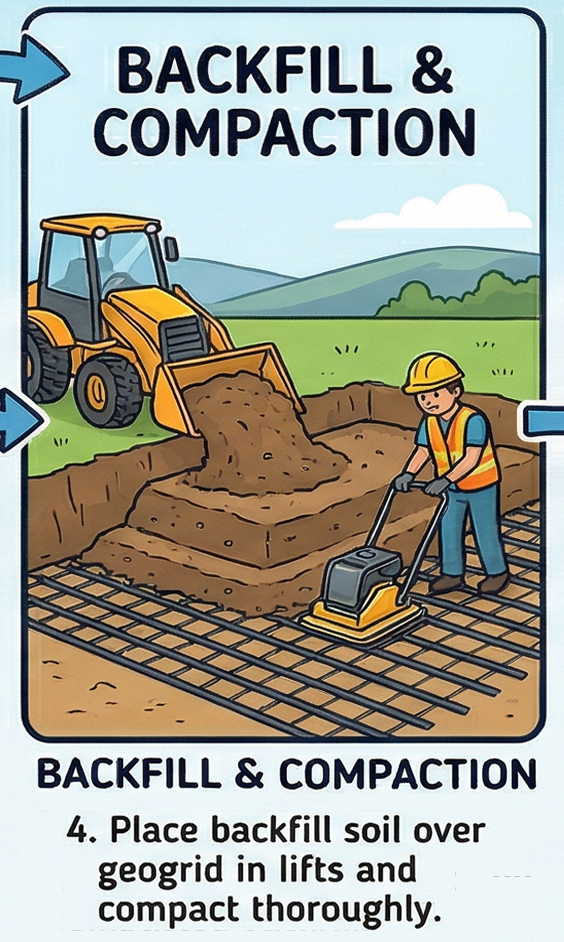
Construction Guide

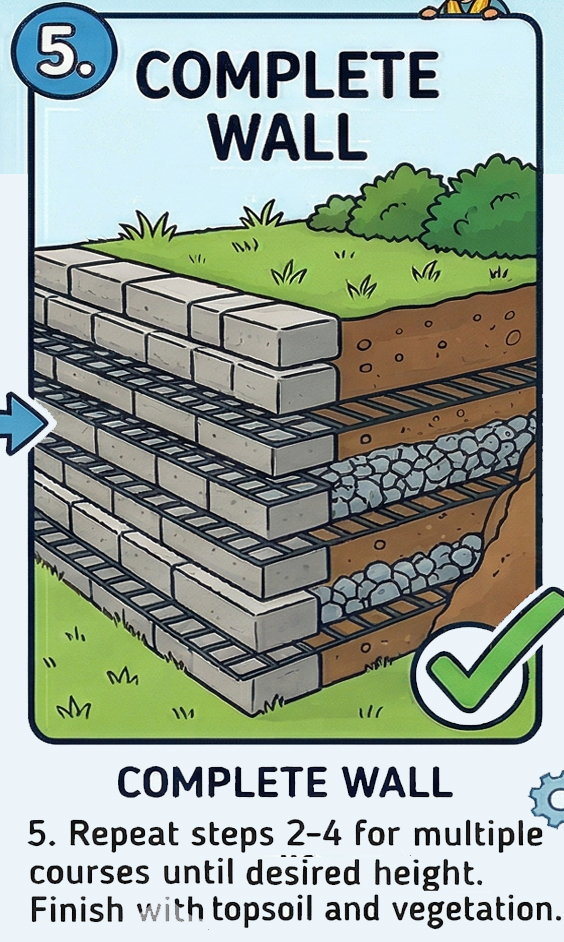
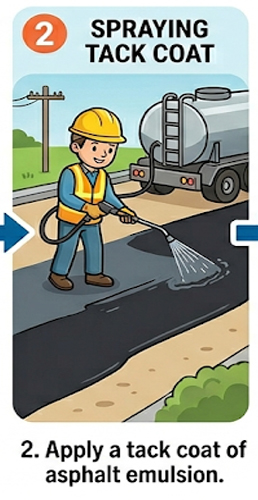
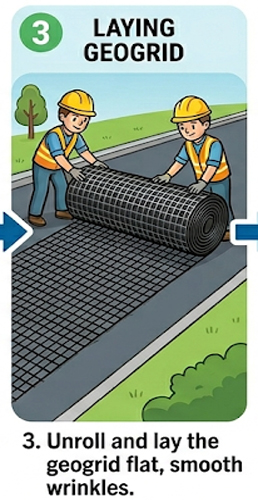
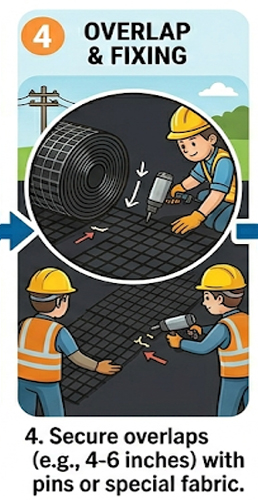
Lay flat, fasten, overlap

Our Commitment

Geoleed is committed to providing high-performance, high-durability geogrids, ensuring exceptional structural stability and creep resistance in every reinforcement project.

We are dedicated to deeply integrating professional technical support with stringent quality assurance, providing you with comprehensive and reliable services from solution design to construction guidance.

Technical Specifications for Geogrid Overlapping

DimensionKey RequirementsDetailed Description
Overlap Width15cm – 50cm15–20cm for standard roads; 30–50cm for soft soil or heavy-load areas.
DirectionDirection of FillingThe trailing sheet must overlap the leading sheet (like roof tiles) to prevent lifting during filling.
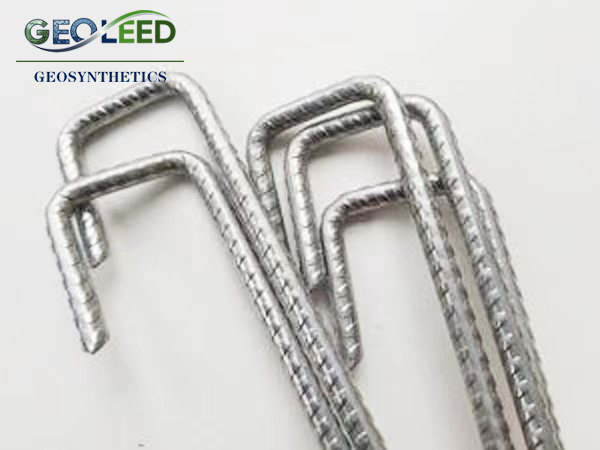
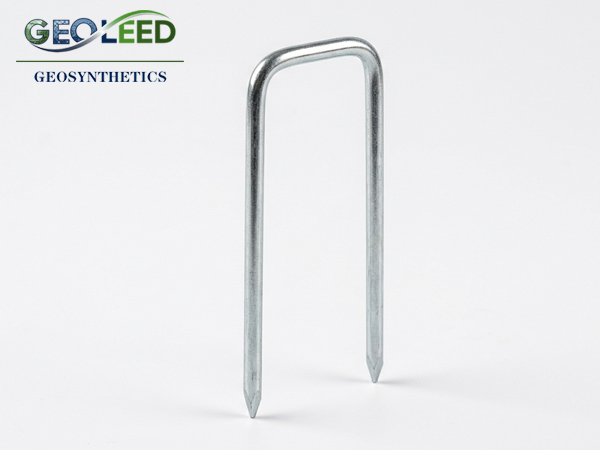
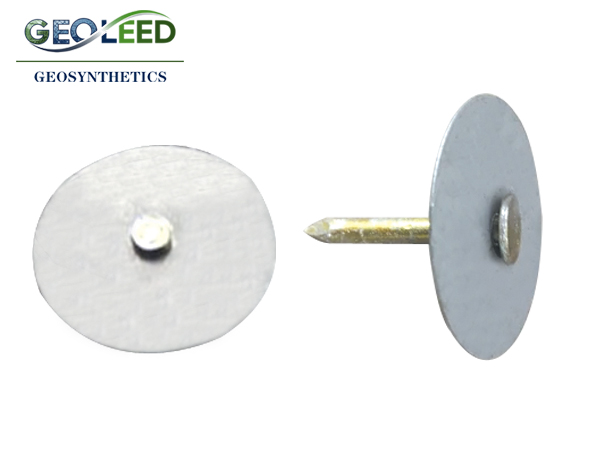
Fixing MethodMechanical AnchoringUse nylon zip-ties or wire every 10–15cm, or secure with U-shaped steel staples.
FlatnessManual TensioningMust be pulled tight manually to eliminate wrinkles, buckles, or gaps.
Stress PointsAvoid Critical ZonesOverlaps should not be placed at the maximum stress or potential slip planes.
Filling RulesLayered CompactionDumping height < 1m; machinery must never drive directly on un-covered overlaps.

Overlapping Recommendations by Project Type

ScenarioRecommended OverlapRequirement LevelRemarks
Standard Subgrade20cmMedium (Zip-ties)Most common construction standard.
High Embankments40cmHigh (U-shaped staples)Prevents shear failure on steep slopes.
Soft Soil / Marshes50cmVery High (Double tied)Prevents separation during uneven settlement.
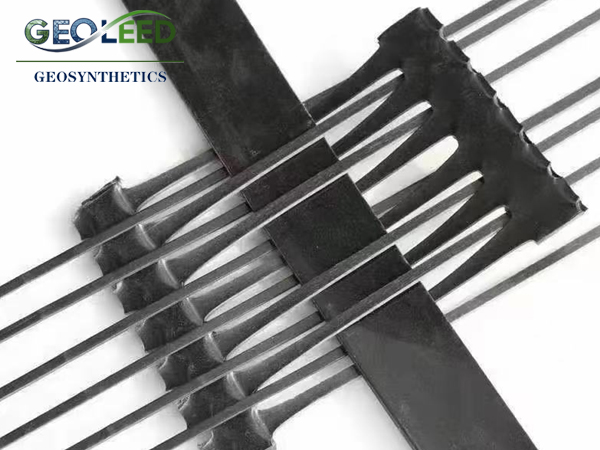
Retaining WallsMinimise OverlapsStructural (Connector bars)High safety requirement; use full-length rolls if possible.

Welding equipment

Geogrid roadbed reinforcement

GEOGRID Load Support System

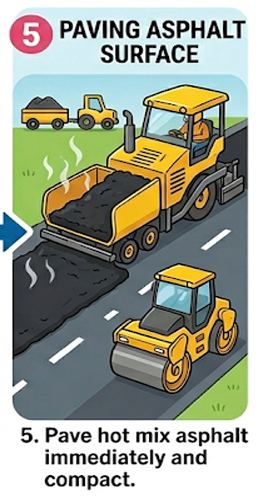
Geogrid pavement laying process

Customer Feedback