Railway subgrade improvement
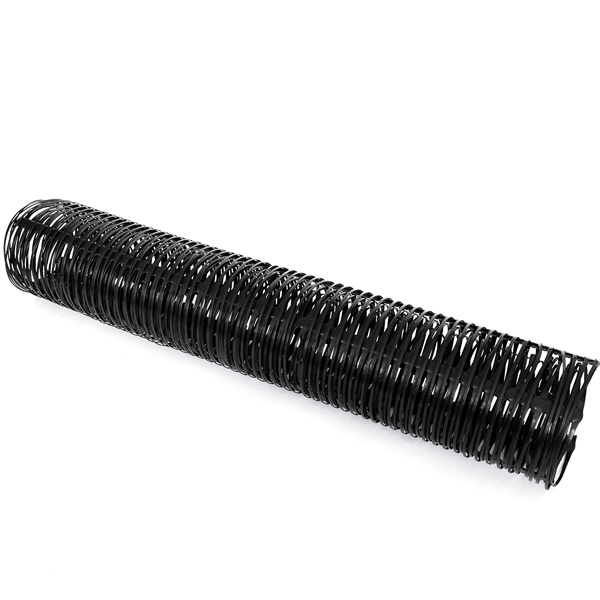
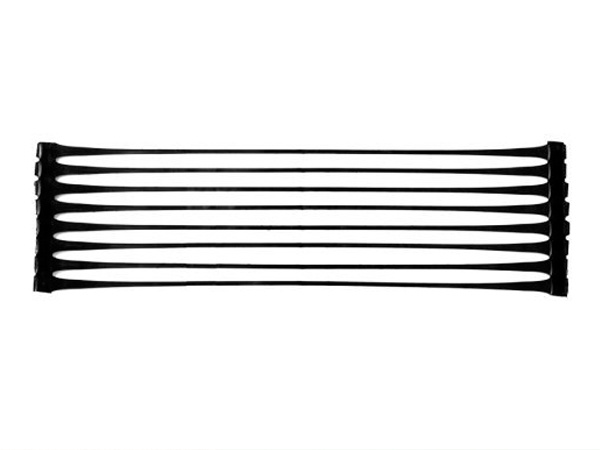
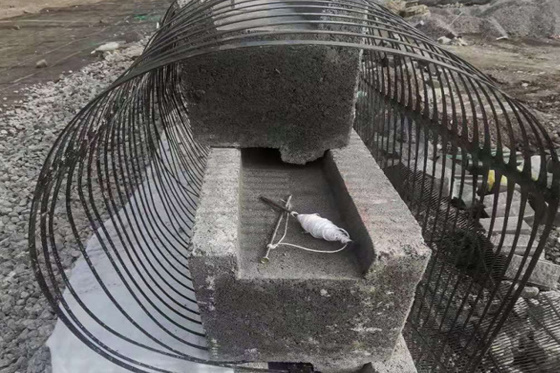
In railway engineering, uniaxial geogrids are hailed as the “strong reinforcement” of the subgrade. Unlike biaxial geogrids, uniaxial geogrids possess extremely high tensile strength in a specific direction (usually longitudinal), making them ideal for applications like railways where the stress direction is clearly defined and the loads are immense.
The core role of uniaxial geogrids: tensile reinforcement
When heavy-load trains (especially high-speed trains or heavy freight trains) pass over railway subgrades, they generate enormous downward pressure and lateral compressive forces.
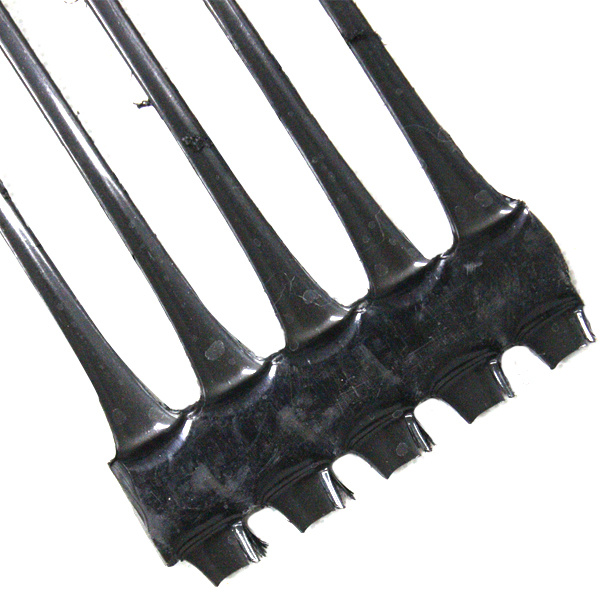
Uniaxial stress optimization: During manufacturing, uniaxial geogrids undergo directional stretching, resulting in highly oriented molecular chains that give them extremely high elastic modulus and creep resistance in the primary stress direction.
Stress principle: When a train exerts downward pressure, the geogrid, through interlocking friction with the subgrade filler (crushed stone/soil), converts the vertical pressure into horizontal tensile force, thereby limiting the subgrade from “spreading out” to the sides.